Software

I have been an Adobe Photoshop user for a long time. Some of the things that can be done with photographs by this piece of kit are amazing. I also have been using Lightroom since its first release, in 2007 I think. Initially I used Lightroom for its cataloguing capabilities to help me keep track of things. I was never really impressed by its photo adjustment/manipulation capabilities as it was, in my view, only Adobe Camera Raw in new clothes. So I didn’t bother with upgrading to LR2 when that came along.

Then came LR3 which was a bit of a leap forward in the processing department and since I was upgrading Photoshop to CS5 it seemed like a good idea to upgrade to LR3 too.

Now along comes LR4 which I see as another big improvement. Whereas Lightroom was very much the junior partner in my workflow and was only used for initial adjustments before handing off to Photoshop I now find I can do far more of my post in LR4. That’s not to say that my copy of Photoshop has become redundant, far from it, I still find it a very familiar and comfortable working environment.

I also like the addition of a Book module inside LR4 as I can now do everything in one program rather than using Blurb’s BookSmart program and handing images from one application to the other, and back again if further adjustments are needed.

Of lesser importance (to me) is the inclusion of a map module that allows images to be dragged and dropped onto a map so you can see where the photos were shot. It also puts the GPS data into the file’s metadata automatically when you drop it onto the map.

Adobe has dropped support for Windows XP with this release of Lightroom and while it still has a 32 bit version for Windows I wouldn’t be surprised if before too long there was only support for 64 bit machines.

I am not a professional photographer and I use the software that I do because I enjoy the process of going from a RAW exposure taken in the field to the finished item be that a print or book or just for the web. So I would never recommend software to anyone, it’s all a matter of personal preference. There are masses of demonstration videos out there showing off the capability of this software or that so it is easy to find software to suit everyone’s needs.
Black & Light

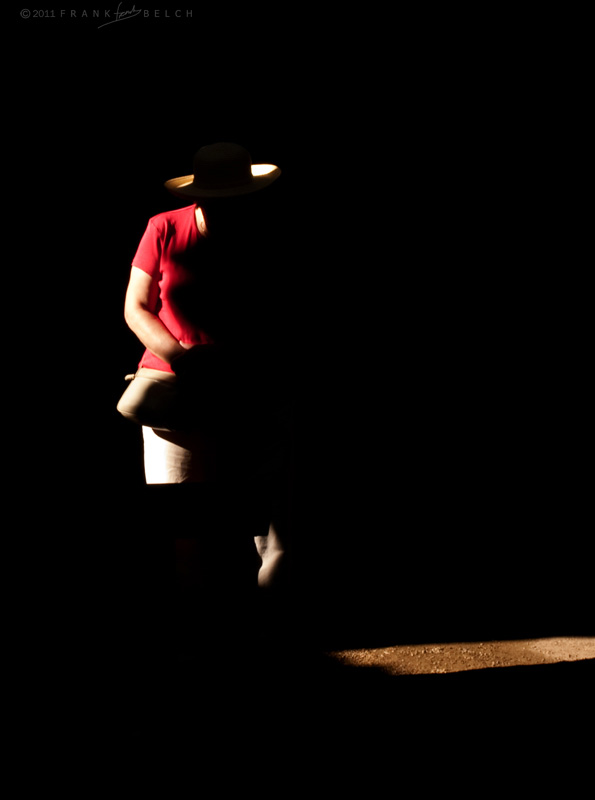
I like black & White, monochromatic images. They break down an image into different components than full colour images. I don’t always feel the need to analyse why I like an image or not, I just do or I don’t. So sometimes I may not find it necessary to shoot a picture in black and white, or convert a colour one to black & white in order to get the same feeling for an image.

This picture was made on a visit to Middleham Castle in North Yorkshire (where else? 🙂 ) Middleham Castle was once the home of King Richard III, see Middleham Website  for details. We were wandering around the place, as you do, and it was a bright sunny day but inside the light was very high contrast, either full sun or dark shadow. I turned to see my wife reading an information board. I took a light reading from the highlights and left everything else to go black. I found the result to be a very minimalistic picture that captured the moment perfectly, for me anyway.

Black and Light

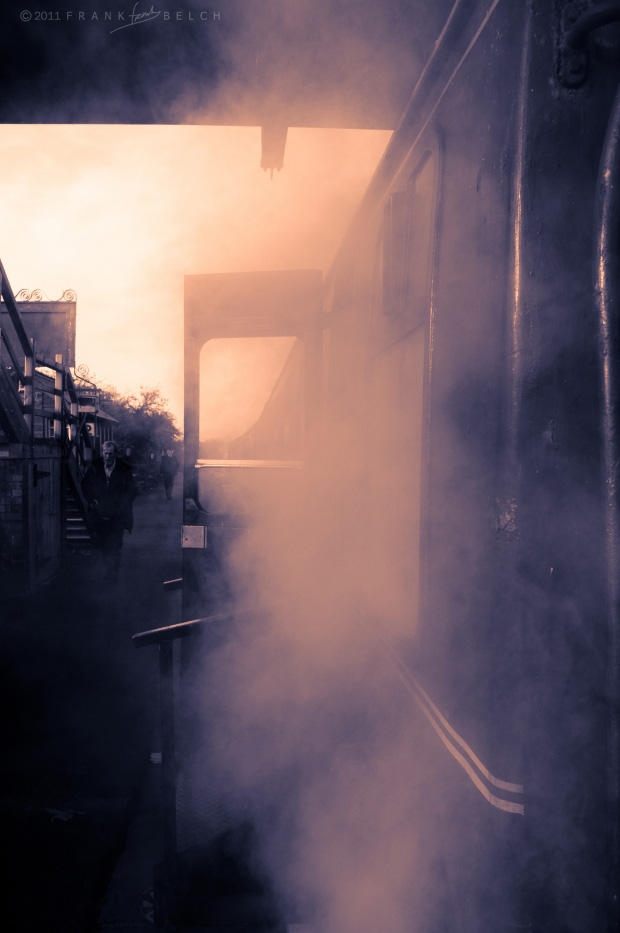
All aboard!

A journey back in time to the days of steam power. There are many groups of volunteer enthusiasts in the UK that work tirelessly to maintain private railway lines and the engines and rolling stock that run on them. This was shot on a visit to the Embsay and Bolton Abbey Steam Railway in North Yorkshire. I took a lot of pictures on the morning spent there but this is the one that I think takes me right back there. You can almost smell the oil, smoke and steam. I can hear the sounds of the steam blowing and the guards whistle. Sights and sounds that I remember as a boy when steam was still operating alongside the newer engines that would completely replace them.

Steam's Up!

Birch Saplings

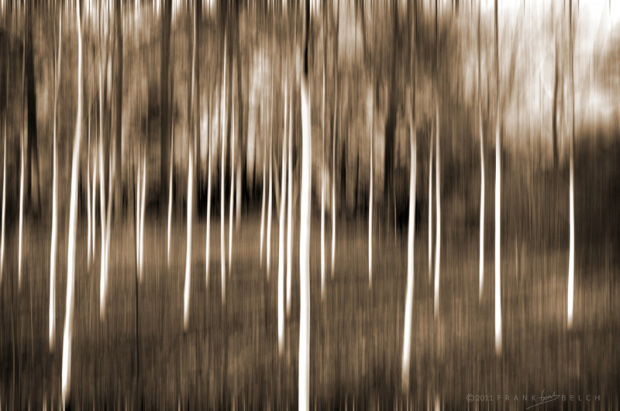
I saw these saplings planted in amongst some very large, mature Oaks. I can only assume that they are to replace the Oaks in time as there will be a fight for light and water otherwise. Not being a botanist or an arborist I could be totally wrong here! I decided to add motion to the shot to add interest and to reduce the presence of lots of distracting “twiggy” branches and so accentuating the vertical trunks.

Birch Saplings

Barden Bridge

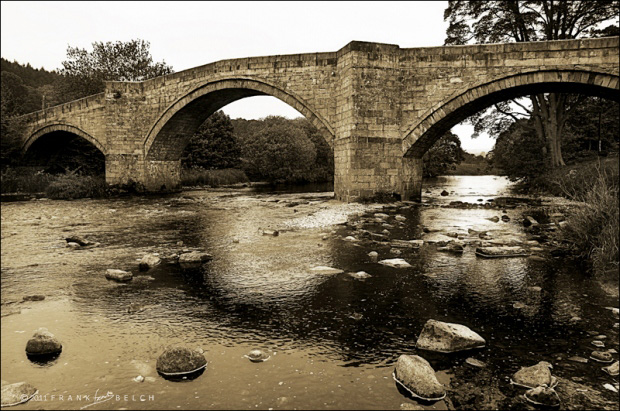
Barden Bridge spans the River Wharfe a little way upstream from Bolton Abbey. It carries a narrow road that certainly keeps you on your toes as it snakes its way down this part of Wharfedale. There is parking next to the bridge but you need to be lucky to find a space when the weather is good. Earlier in the day I had been in Upper Wharfedale and the river up there was all but dry, but down here on its lower reaches the water, while shallow, filled the river bed.

Bolton Abbey is always worth a visit and there are paths along the river that provide relatively easy walking, much of which is push chair and wheel chair friendly. There are three parts to a visit to the abbey. Bolton Abbey itself, then further upstream is the Cavendish Pavillion, further still upstream is The Strid. Currently the Cavendish Pavillion is closed for refurbishment until March 31st. The entrance fee to the Abbey car park gives you access to the other two sites too. A short, fairly flat walk from the Cavendish Pavillion and you can usually find the “Bodger” working with traditional tools and equipment to make various wooden artifacts. A short drive from the Pavillion up the valley brings you to the Strid Car Park. It is a steep walk from there down into the river valley to the Strid, which is a very narrow part of the river where the Wharfe forces its way through the rocks and can be quite impressive. If you want to avoid the steep walk you could instead continue your walk from the Pavillion along the path to the Strid instead of driving.

Barden Bridge

Richmond Castle

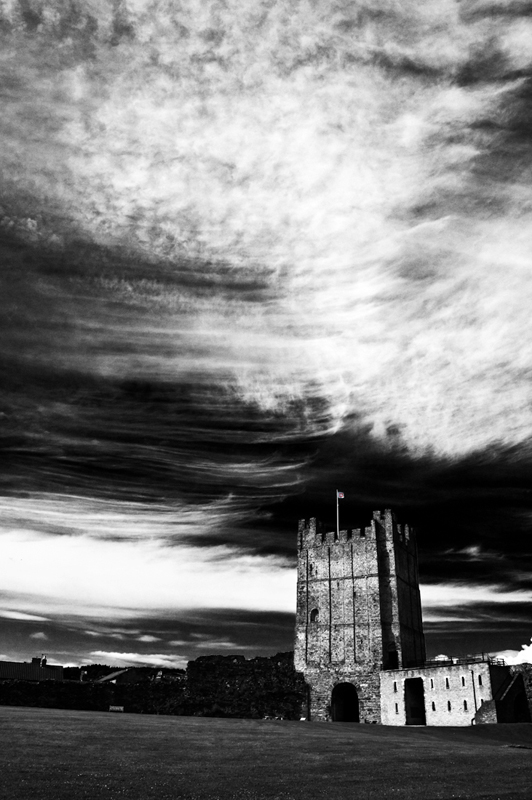
We were in Richmond, North Yorkshire visiting the castle one afternoon. We had been in the grounds for about half an hour when the clear blue skies started to cover over with some attractive cloud formations. It was just one of those lucky breaks because we had been out most of the day from the very west of Swaledale right across to Richmond and the timing was just right.

Richmond_Castle

Richmond Castle

Ancient and Modern

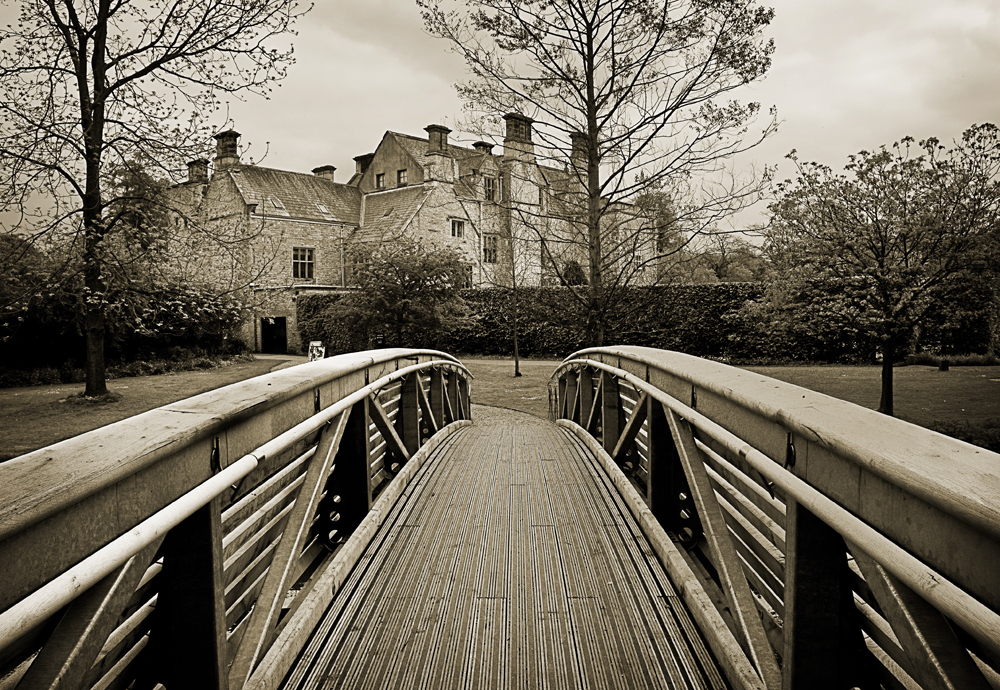
Nunnington Hall is in Ryedale, North Yorkshire. It is a large country House owned and run by the National Trust. The river Rye flows past the house and the visitor’s car park is on the opposite bank. This footbridge crosses the river to the hall and in my view it is an attractive piece of design work in itself. However I’m just not sure if it sits right with the house, I know it offers great leading lines for this picture though.

foot bridge across the river Rye to Nunnington Hall.

A bridge too far?

Imperial War Museum North

I made these pictures on a visit to the IWMN to see a Don McCullin exhibition, “Shaped by War”. I am a fan of McCullin’s work, he brought images of conflicts around the world to into the public eye and according to The Telegraph he argued that  – he has given a voice to those who would otherwise have none.

The structure of the IWMN , according to its architect Daniel Libeskind, represents a globe shattered by conflict. Each part of the building representing a shard. I really like the way these shards slice across and pierce upwards into the sky.

Imperial War Museum North

Imperial War Museum North

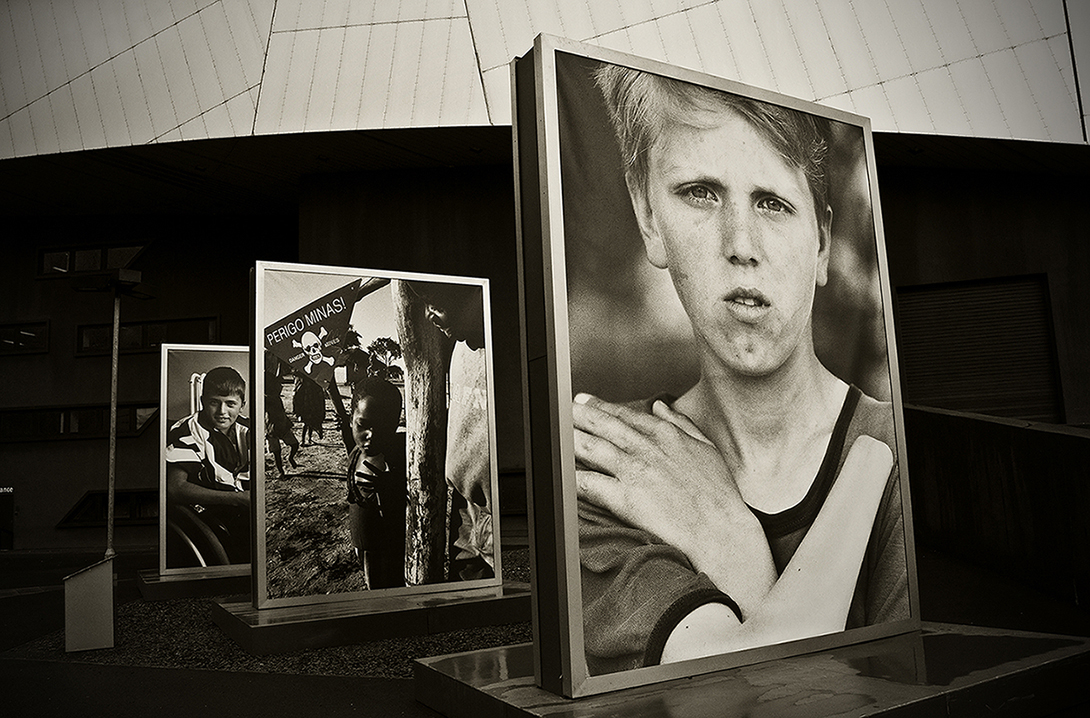
Below is a picture that shows the innocent victims of war. This was just outside the entrance and certainly serves to focus your mind before you go inside. This, combined with the grey weather certainly set the mood for McCullin’s exhibition.

innocent_victims

Innocent Victims of War